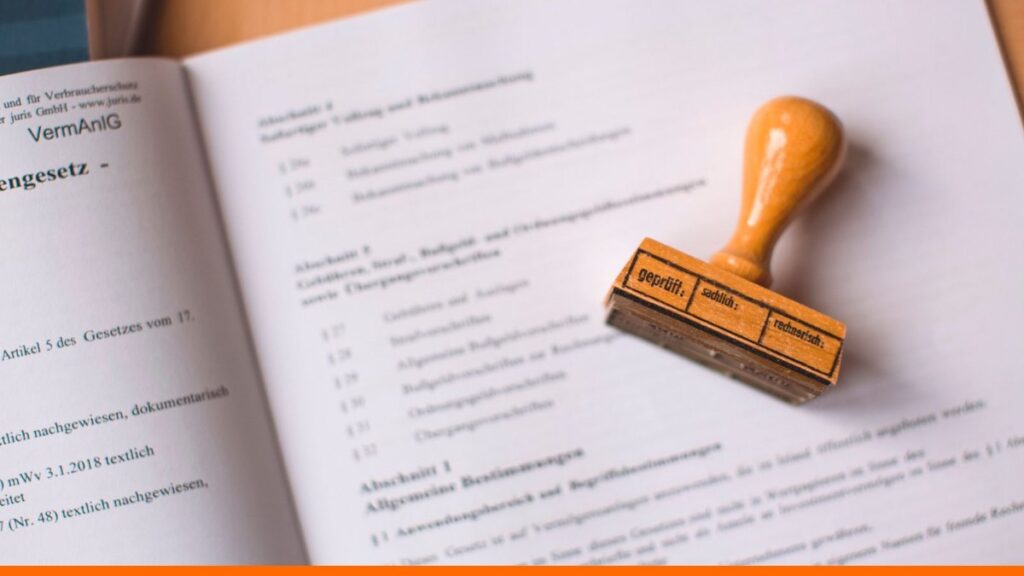
In short: On 1 January 2027 the Wtta (Wet toelating terbeschikkingstelling van arbeidskrachten) takes effect: every labour supplier — foreign ones included — needs a state licence to place a worker with a Dutch company, and the client company may only take workers from a licensed agency. The licence requires an inspection, a €100,000 deposit and a certificate of conduct. The timetable is staged: registration at the end of 2026, applications in spring 2027, fines from 2028. This article explains what changes for you and what to check at your own agency.
What the Wtta is, and why it exists
Today anyone can start an uitzendbureau in the Dutch agency market — no licence needed. That’s the source of most bad experiences Hungarian, Polish and Romanian workers have: short-lived agencies that switch company names and disappear before the holiday allowance is paid. The Wtta closes this: a licensing system (toelatingsstelsel) run by a new authority, the NAU (Nederlandse Autoriteit Uitleenmarkt), with a public register. The government’s stated aim: push out rogue suppliers, give honest ones more room.
What an agency has to meet
The licence requires three things:
- An inspection report from an independent inspector confirming the agency complies with the standards (pay, CAO, tax, contributions, housing) — or a valid SNA certificate (NEN 4400).
- A €100,000 deposit (waarborgsom) — this is what makes the “set up fast, close fast” model expensive.
- A certificate of conduct (VOG) for the company’s managers.
Supplying workers without a licence means a fine — and so does the client company if it takes workers from an unlicensed agency. That last part is the point: factories and warehouses will from now on have an interest in working only with licensed agencies.
The timetable — what happens when
The stages below follow ABU’s 2026 guidance; in May 2026 the ministry confirmed that the 1 January 2027 start date stands, but implementation details may still change*¹:
- 1 November – 31 December 2026: agencies register with the NAU.
- 1 January 2027: the law and the standards take effect.
- 1 May – 30 June 2027: licence applications are submitted. Those who apply on time may continue operating until the NAU decides.
- 1 January 2028: the Labour Inspectorate (Arbeidsinspectie) starts fining — unlicensed agencies and the client companies working with them.
So 2027 is not the day the bad agencies vanish. The transition takes a year, and the public register fills up during 2027. What matters to you is whether your agency will be in it.
What to check at your own agency now
You don’t have to wait until 2027 — you can see today how ready it is:
- SNA certificate. Search the agency’s name in the register at normeringarbeid.nl. An agency that is SNA-certified today has a much simpler route to the Wtta licence; one that isn’t must pass an inspection in 2027.
- ABU or NBBU membership. Members of the two associations apply the CAO, and you can check membership on the associations’ websites. Not a licence, but a signal.
- KVK number and company name on your contract. If the agency that pays you isn’t the one you signed with, or the company name changes every year — that’s exactly the pattern the Wtta targets.
- In 2027: check the NAU’s public register (toelatinguitleenmarkt.nl) to see whether the agency has registered, and later whether it has been licensed.
What to do now
- Look up your agency in the SNA register (normeringarbeid.nl) — 2 minutes, and it tells you a lot.
- Check the KVK number on your contract and note it: in 2027 that’s what you search for in the NAU register.
- If you’re choosing an agency before 2027, ask: “Are you applying for a Wtta licence? Do you have an SNA certificate?” The answer (or the lack of one) is a decision.
Related listings: Current listings on jobSCAN →
The “Directly from the advertiser” label on a listing shows when it wasn’t posted by an agency.
* Notes — where no exact or citable figure exists:
*¹ The staged timetable (registration, application window, fines from 2028) comes from ABU’s knowledge base; we have not checked the dates in the official implementing decree, and the ministry itself has flagged capacity risks. We’ll update this if it changes.
Sources: ABU — Toelatingsstelsel (Wtta) (2026) · ZiPconomy — Minister: ingangsdatum toelatingsstelsel bureaus blijft 1 januari 2027 (2026-05-19) · Ondernemersplein (Rijksoverheid) — Nieuwe regels voor bedrijven die personeel in- of uitlenen (Wtta) (2026) · Eerste Kamer — Wet toelating terbeschikkingstelling van arbeidskrachten (36.446) (2025)
Stop searching — let the list come to you
One email a week with new jobs in the Netherlands. We will let you know when saved searches and accounts go live. Free, unsubscribe any time.